Old People Walking Shoes
By the Editorial Team
Good walking shoes make daily walks easier. They cushion each step, keep your feet steady, and help you feel sure-footed on pavements, park paths, and garden paths. For older adults, the right pair is less about fashion and more about comfort, fit, and grip.
You may have arrived here by searching for ‘old people walking shoes’. That is the phrase many people type into a search engine when they are shopping for an older parent or for themselves. On this page, we use the friendlier wording ‘walking shoes for older adults’, because that is who this guide is for: anyone who wants a comfortable, steady pair of shoes for everyday walking.
Why comfort comes first
Feet change as we get older. They can become wider, flatter, or more sensitive, and joints can feel stiffer in the morning. A shoe that pinches or rubs will soon sit unworn in a cupboard, however good it looked in the shop. Comfort is therefore the first thing to get right, before colour or style.
A comfortable walking shoe lets you walk further without sore feet, and it makes you more likely to go out at all. That matters, because a short daily walk is one of the simplest ways to stay active. The NHS notes that walking is a gentle, low-impact activity that most people can build into their day, and a well-fitting shoe is part of making that walk pleasant. You can read their advice on walking for health on the NHS website.
What to look for in walking shoes for older adults
There is no single perfect shoe for everyone. Feet differ, and so do walking habits. But a few features matter in almost every pair worth buying. Use the list below as a checklist when you shop.
Fit
Fit matters more than any other feature. Shoes should be long enough that your toes do not touch the end, and wide enough that the sides of your feet are not squeezed. Many older adults need a wider fitting than they wore in younger years, so try a wide fit if a standard width feels tight. Feet often swell slightly during the day, so it helps to try shoes on in the afternoon, wearing the socks you would normally walk in.
Cushioning and support
Look for a cushioned sole that absorbs the shock of each step, and a heel cup that holds your foot steady. A removable insole is useful, because you can take it out if you use an orthotic insert or simply prefer a flatter feel. The shoe should bend where your foot bends, near the ball of the foot, but it should not twist easily from side to side.
The Arthritis Foundation offers general guidance on choosing footwear that supports sore or stiff joints, which you can read on the Arthritis Foundation website. If a health condition affects your feet, it is worth asking your doctor or a foot specialist for advice before you buy.
Grip
A good tread helps on wet pavements, leaves, and smooth shop floors. Look for a sole with a clear pattern and a rubber outer layer, and avoid smooth leather soles for everyday walking. Grip is one of the simplest safety features a shoe can offer, and it is worth checking before you buy.
Weight
Heavy shoes tire your legs over a long walk. Pick the shoe up in the shop: a good walking shoe should feel light in your hand. Lightweight materials can still give firm support, so weight alone does not tell you everything, but a heavy shoe is rarely the comfortable choice for a daily walk.
Fastenings
Laces give the most adjustable fit, but they are not the only option. Elastic laces, hook-and-loop straps, and zips can be easier if bending down or tying knots is difficult. Whatever fastening you choose, make sure it holds the heel firmly in place without needing to be pulled very tight.
Slip-on shoes or lace-ups?
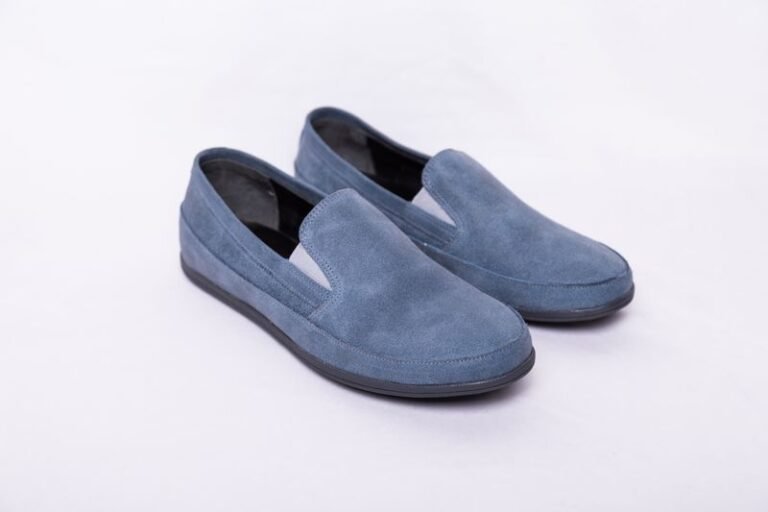
Slip-on shoes are easy to put on, and for many people that is the deciding factor. A well-made slip-on with a firm heel and a snug fit can be a fine walking shoe. The risk is a loose fit: if the heel slips as you walk, your toes grip to hold the shoe on, which can cause tired feet and sore toes.
Lace-up shoes usually give a more secure fit, because you can adjust them across the foot. If laces are hard to manage, elastic laces or a side zip can give you the best of both. Our guide to best slip-on walking shoes for seniors looks at slip-on styles in more detail.
Indoor shoes and outdoor shoes
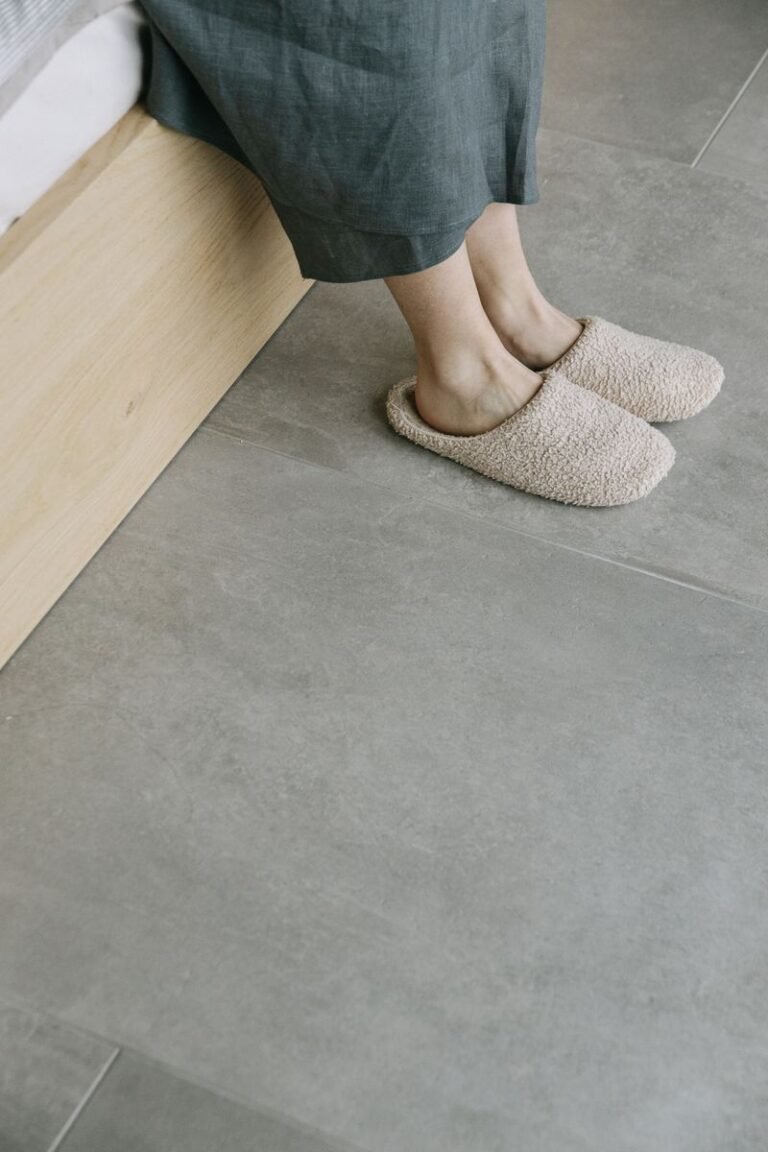
Many people keep one pair for outside and another for inside the house. Outdoor shoes need grip and weather resistance, while indoor shoes need to be light, comfortable, and easy to slip on and off. A house shoe with a firm sole and a closed heel is steadier than a loose slipper. Our guide to house shoes for older ladies covers indoor comfort and safety, and the same ideas apply to anyone choosing a pair for wear at home.
How to try shoes on before you buy
A short check in the shop can save a disappointing purchase. Wear your usual walking socks, and try both shoes on, not just one. Walk around the shop for a few minutes, including up and down any slope or step the shop has. Check that your heel stays put, your toes have room to wiggle, and nothing rubs or pinches.
If you are buying online, check the returns policy before you order, so you can send a pair back if the fit is wrong. Measure your feet at home and compare the result with the size guide the seller provides, because sizes vary between makers. Our everyday guide to walking shoes for seniors has more on fit and everyday care.
Looking after your walking shoes
Simple care makes shoes last longer and stay comfortable. Air them after a walk, brush off mud before it dries, and let wet shoes dry away from direct heat. Replace laces or insoles when they wear out, rather than putting up with a shoe that no longer fits well. If the tread is worn smooth, the grip is gone, and it is time to think about a new pair.
When to replace a pair
There is no fixed lifespan for a walking shoe, because it depends on how far and how often you walk. As a rough guide, check your shoes every few months. If the sole is worn down on one side, the heel cup has collapsed, or the cushioning feels flat, the shoe is no longer giving you the support you need. Sore feet after a walk you used to enjoy is another sign that a pair has reached the end of its useful life.
More guides in our walking-shoes series
If you would like to compare styles before you decide, our walking-shoes guides cover the main choices in plain language:
- Best Walking Shoes for Seniors — what to look for in a good all-round pair.
- Sneakers for Seniors — light, everyday trainers for walking and light activity.
- Best Walking Shoes for Women — a buying guide for senior women.
Frequently asked questions
What is the best type of walking shoe for an older adult?
There is no single best type, because feet and walking habits differ. In general, look for a light shoe with a cushioned sole, a firm heel cup, a good tread, and a fit that gives your toes room. Try a few styles and choose the pair that feels comfortable from the first few steps.
Are slip-on walking shoes a good choice?
They can be, if the fit is snug and the heel stays in place as you walk. A loose slip-on makes your toes work harder and can feel unsteady. If you like slip-ons, choose a pair with a firm heel and try them with a proper walk around the shop first.
Should walking shoes for older adults be wide fitting?
Many older adults find a wide fitting more comfortable, because feet often widen with age. But not everyone needs one. The test is simple: if a standard width pinches the sides of your feet, try a wide fit in the same size and compare the two.
Where can I find old people walking shoes?
Most shoe shops, department stores, and online shoe retailers sell walking shoes suited to older adults, usually listed as comfort shoes, wide-fitting shoes, or walking shoes. Look for the features in this guide — fit, cushioning, grip, and easy fastenings — rather than shopping by label alone.
A comfortable pair makes walking easier
The best walking shoes for older adults are the ones that fit well, feel light, and grip the ground. Start with comfort, check the fit properly, and replace a pair when the support wears out. If you want a fuller look at the best options, see our guide to best walking shoes for seniors.