Sneakers for Seniors
By the Editorial Team
Sneakers for seniors are a practical, comfortable choice for everyday life. They are light, easy to put on, and kind to feet that have walked a long way over the years. Whether you wear them for a morning walk, a trip to the shops, or a day in the garden, a good pair of sneakers gives you cushioning, support, and grip without fuss. This guide explains what to look for — comfort, support, easy fastenings, and fit — so you can choose a pair that suits you. It does not rank brands or claim to have tested shoes for you.
What are sneakers for seniors?
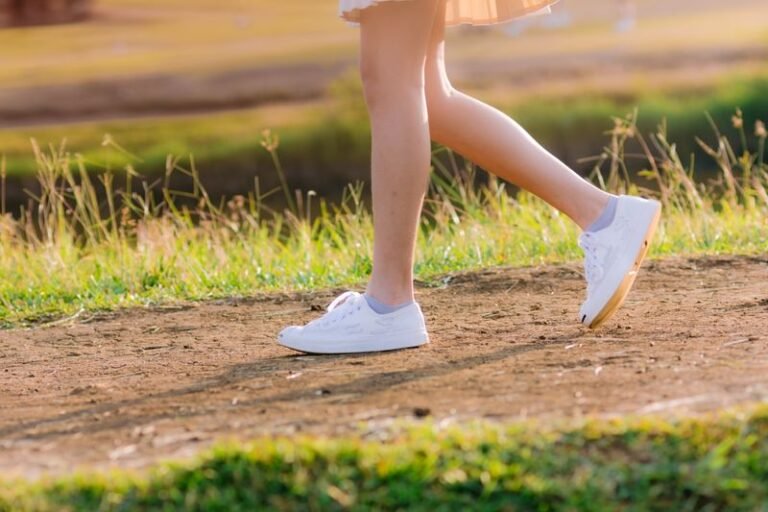
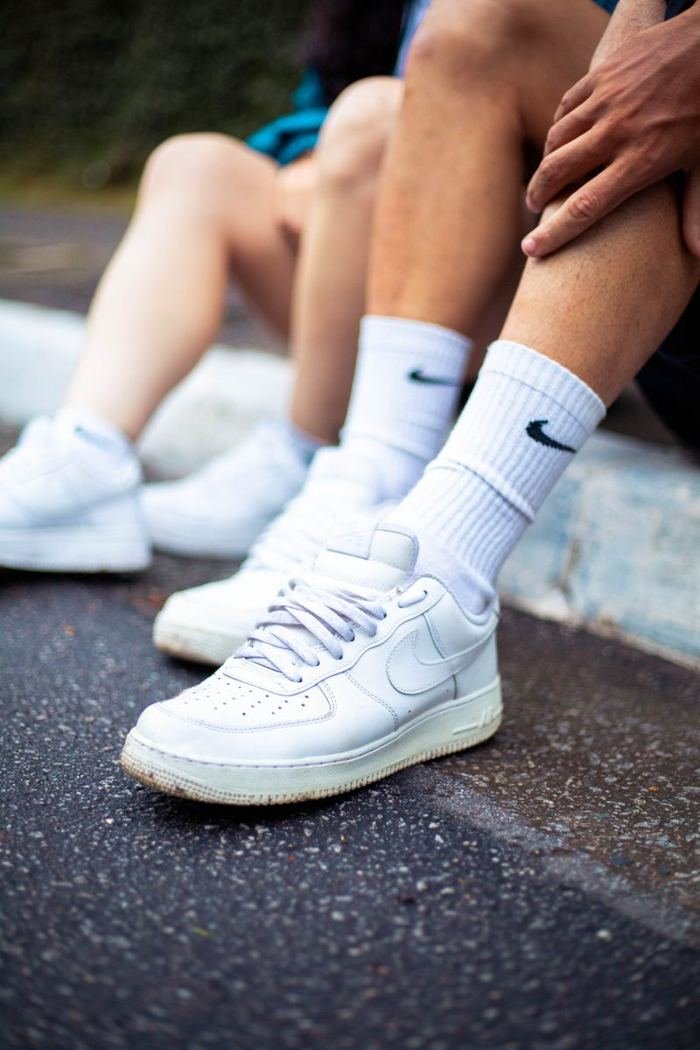
Sneakers for seniors are soft, lightweight, lace-up or slip-on shoes designed for everyday walking and standing. They usually have a cushioned sole, a flexible upper, and a low heel, which makes them comfortable for long periods on your feet. Many are made with breathable materials, so your feet stay cool, and some have removable insoles, so you can use your own support if a health professional has recommended it. A good pair of sneakers is not the most expensive or the most fashionable; it is the pair that fits your feet and the way you walk.
Comfort and cushioning
Comfort comes first. A cushioned sole softens each step and reduces the jolt that travels up your legs, which matters if your knees or hips are sore. Look for a sneaker that feels soft underfoot when you stand in it, not just when you press the sole with your hand. The inside of the shoe should be smooth, with no rough seams that could rub or cause blisters, and the tongue should be padded so the laces do not press on the top of your foot.
Comfort also means the right width. Feet often get wider with age, and a sneaker that is too narrow will pinch even if the length is right. Many sneakers come in wide fittings, and these are worth trying if standard shoes feel tight across the toes. Walk around the shop for several minutes before deciding; a sneaker that feels comfortable after ten steps may feel different after fifty.
Support and stability
Support keeps your foot in a natural position and helps you stay steady. A good sneaker has a firm heel counter, which is the stiff part at the back of the shoe that holds your heel in place, and a sole that does not twist too easily. Some sneakers offer extra arch support, which can help if your feet ache after walking, while others have a removable insole so you can use your own orthotics. If you have a foot condition, it is worth asking a health professional what kind of support suits you.
Stability also comes from a low, wide base. Sneakers with a very high heel or a narrow sole are harder to balance in, while a flat, broad sole gives you a steadier footing. A slight heel, no more than a couple of centimetres, is comfortable for most people, and a shoe that bends at the ball of the foot, where your foot naturally flexes, will feel more natural to walk in.
Slip-on sneakers
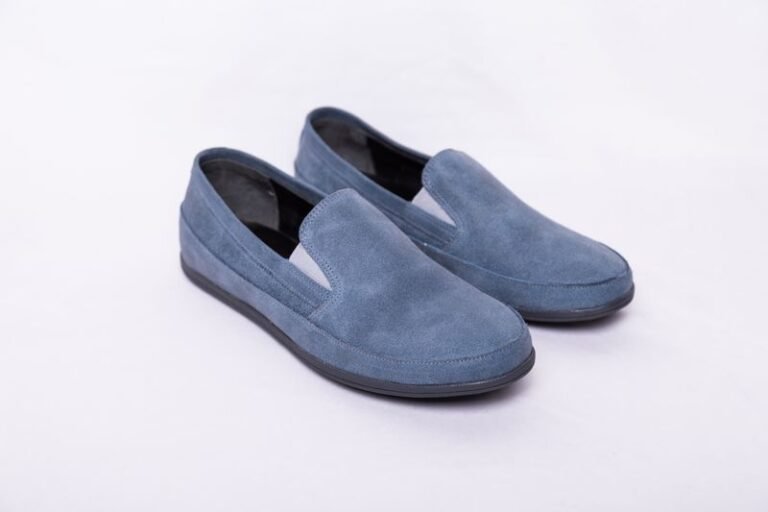
If bending down to tie laces is difficult, slip-on sneakers make life easier. Styles with elastic panels or a stretchy upper slide on without bending, while sneakers with Velcro straps can be fastened with one hand. Elastic laces are another good option: they turn an ordinary lace-up sneaker into a slip-on, because you only need to tie them once. Choose a fastening you can manage comfortably on a cold morning, when your hands may be stiff.
Whatever fastening you choose, make sure the sneaker stays firmly on your foot. A shoe that slips at the heel can cause blisters and is a trip hazard. Slip-on styles should fit snugly around the heel and ankle, and if you use Velcro straps, check that they fasten securely and are easy to open again.
Grip and safety
Good grip is essential, especially on wet pavements, leaves, or smooth shop floors. Look for a sole with a clear tread pattern and a rubber compound that feels slightly tacky rather than hard and shiny. A sole that is too smooth will slide, while a sole with deeper tread grips better on uneven ground. If you walk on grass or garden paths, a slightly deeper tread is helpful, and our pillar guide, Gardening for Seniors, has tips for staying safe while you are outdoors.
Before you buy, press the sole and twist the shoe gently: a good sneaker is firm at the heel, flexible at the front, and does not bend in the middle. Light-coloured soles are often softer and grippier than very hard black soles, but the tread pattern matters more than the colour.
Getting the right fit
A good fit is the most important thing of all. Follow these tips when you try sneakers on:
- Shop in the afternoon, when your feet are slightly larger than in the morning.
- Wear the socks you will walk in, so the fit is realistic.
- Check there is about a thumb’s width between your longest toe and the end of the shoe.
- Make sure the widest part of your foot lines up with the widest part of the shoe.
- Walk around the shop for several minutes, including up and down any steps.
- Try both shoes on, because feet are rarely the same size.
Sneakers versus walking shoes
Sneakers and walking shoes are similar, but there are small differences. Sneakers are usually lighter and more flexible, with a softer sole, which makes them good for everyday wear and short walks. Walking shoes are often firmer and more structured, with extra support for longer walks. Many people own both: sneakers for daily errands and walking shoes for longer walks. For a detailed guide to walking shoes, see our Best Walking Shoes for Seniors guide.
Caring for your sneakers
Sneakers last longer when they are looked after. Let them air out after each wear, and remove the insoles occasionally so they can dry. Brush off mud and dirt, and wash fabric sneakers gently with soap and water rather than putting them in a hot wash. Check the soles regularly: if the tread is smooth, the heel is worn down on one side, or the cushioning feels flat, it is time for a new pair. Keeping a second pair to rotate can help each pair last longer.
Frequently asked questions
Are sneakers good for seniors?
Sneakers can be a good choice for seniors when they fit well, have a cushioned sole, and grip the ground properly. Look for a pair with a firm heel, a roomy toe box, and a fastening you can manage easily. Avoid very flat, unsupportive sneakers with smooth soles, which can be slippery and tiring. AARP and the Arthritis Foundation both publish general guidance on footwear for older adults that may help you decide.
Should seniors wear sneakers every day?
Many seniors wear sneakers every day because they are comfortable and easy to put on. If you do, it is worth having two pairs to rotate, so each pair has time to air out and the cushioning lasts longer. Change your sneakers if they become worn, loose, or uncomfortable, and wear socks that fit well to prevent blisters.
Are slip-on sneakers a good choice for seniors?
If bending down to tie laces is difficult, slip-on sneakers make life easier. Make sure the sneaker stays firmly on your foot.
Choose comfort first
Sneakers for seniors are about comfort, support, and safety, not about fashion or brand names. Take your time in the shop, try several pairs, and walk in them before you decide. A comfortable pair of sneakers will carry you through many pleasant days, in the garden and beyond. For more ideas, visit our Blog.
For more guidance, see AARP and the Arthritis Foundation.