Craft Ideas
By the Editorial Team
Craft ideas are the starting point for making something with your hands. A good idea is one that fits your time, your budget, and the materials you already have. You do not need experience, expensive tools, or a dedicated room. A kitchen table, a few basic supplies, and an hour is enough to begin.
On this page, you will find craft ideas grouped by material and by purpose, so you can pick one that suits you. The guides linked throughout this page go deeper into each type of craft, with step-by-step suggestions for beginners and for older adults. Whether you want a quiet afternoon project, a gift for a family member, or a new hobby to share with grandchildren, there is an idea here to start with.
How to choose a craft idea
Start by thinking about four things: how much time you have, how much you want to spend, how much space you have, and what you enjoy doing. A project that takes an evening suits a busy week better than a quilt that takes a month. A small project also lets you try a new craft without buying a full set of tools.
It also helps to think about who the finished piece is for. A card for a friend, a scarf for a grandchild, or a decoration for your own home each point to different materials. If you are stuck for inspiration, the Crafts Council, the UK charity for craft, is a good place to see what makers do and to find ideas for your own projects.
Paper and card crafts
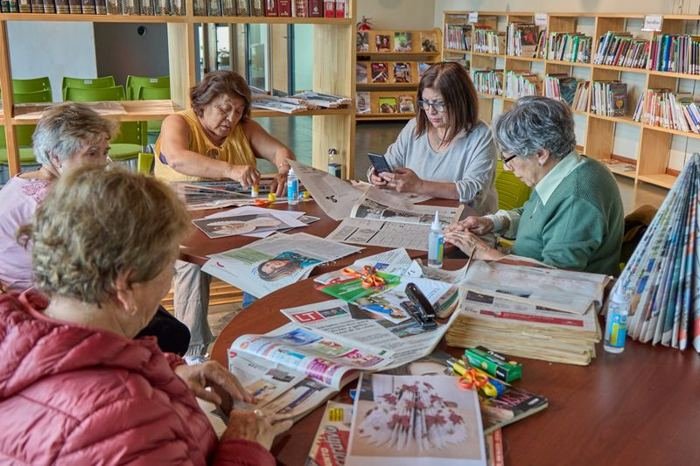
Paper crafts are one of the easiest places to start. All you need is paper, scissors, glue, and something to colour with. Handmade greeting cards, paper flowers, collage, scrapbooking, and simple origami are all good first projects. They are cheap, they need little space, and mistakes are easy to fix or start again.
Paper crafts also suit a group. A few friends around a table can each make a card in an afternoon, and everyone goes home with something they made. For a long list of paper and other simple projects, see our 75 easy art and craft ideas for seniors.
Fabric and yarn crafts
Fabric and yarn crafts include knitting, crochet, simple sewing, embroidery, and patchwork. A knitted scarf or a crocheted blanket grows a little each time you sit down with it, which makes these crafts good for quiet evenings. Simple sewing projects, such as a cushion cover or a tote bag, need only straight seams and a little patience.
If you are new to yarn crafts, start with thick yarn and large needles or a large hook, which are easier to hold and let you see your stitches clearly. Our guide to craft activities for seniors has more ideas for fabric, yarn, and other hands-on activities.
Painting and drawing
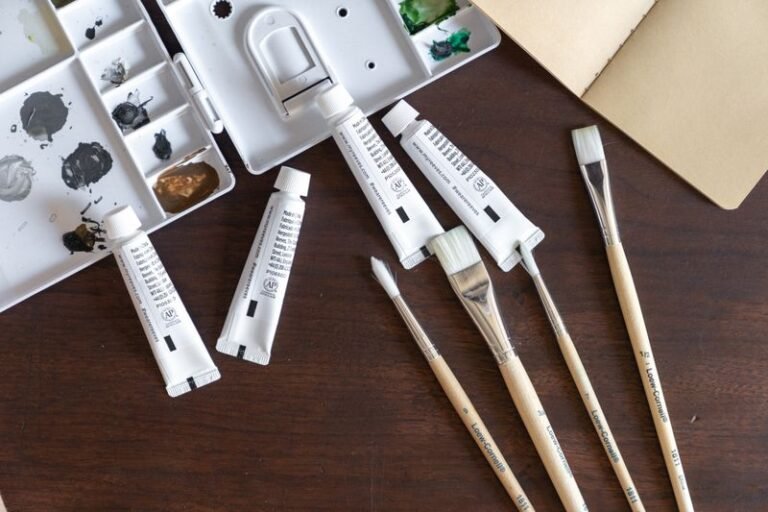
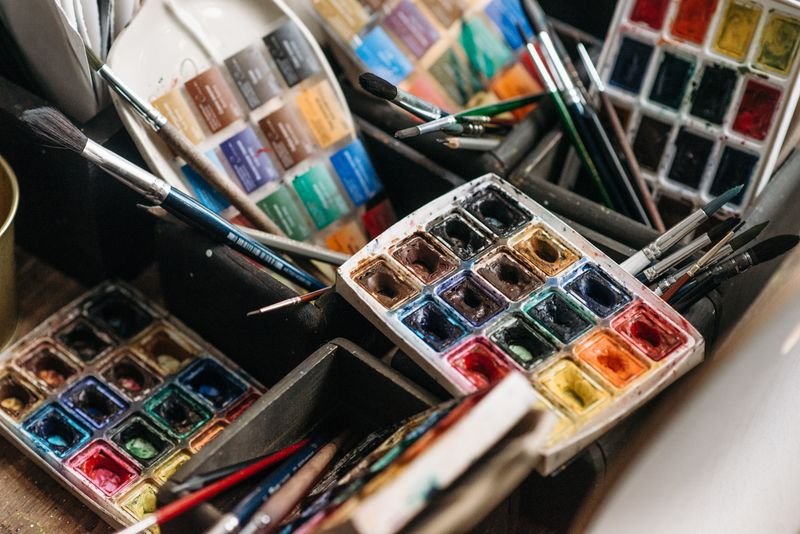
Painting and drawing suit anyone who likes colour and quiet concentration. Watercolour is a gentle place to begin, because it needs little equipment and washes out easily. Acrylic paint dries quickly and works on paper, canvas, wood, and stone. Sketching with a pencil needs nothing more than a pad and a pencil, and adult colouring books offer a relaxed way to start.
If you want visual inspiration, the collections of the Victoria and Albert Museum cover centuries of design, textiles, and decorative arts. A visit, in person or online, can spark ideas for colours, patterns, and materials to try at home.
Nature and garden crafts
Nature crafts use materials from the garden and the park: pressed flowers, leaf prints, painted stones, herb wreaths, and decorated plant pots. They cost very little, because the materials are often free, and they connect a craft session with time outdoors. Pressing flowers takes a few days, so it teaches patience, while leaf printing gives quick results in a single afternoon.
If you enjoy making things from the garden, you may also enjoy growing the materials yourself. Our pillar guide, Gardening for Seniors, covers easy plants, raised beds, and tools that make gardening comfortable.
Home decor crafts
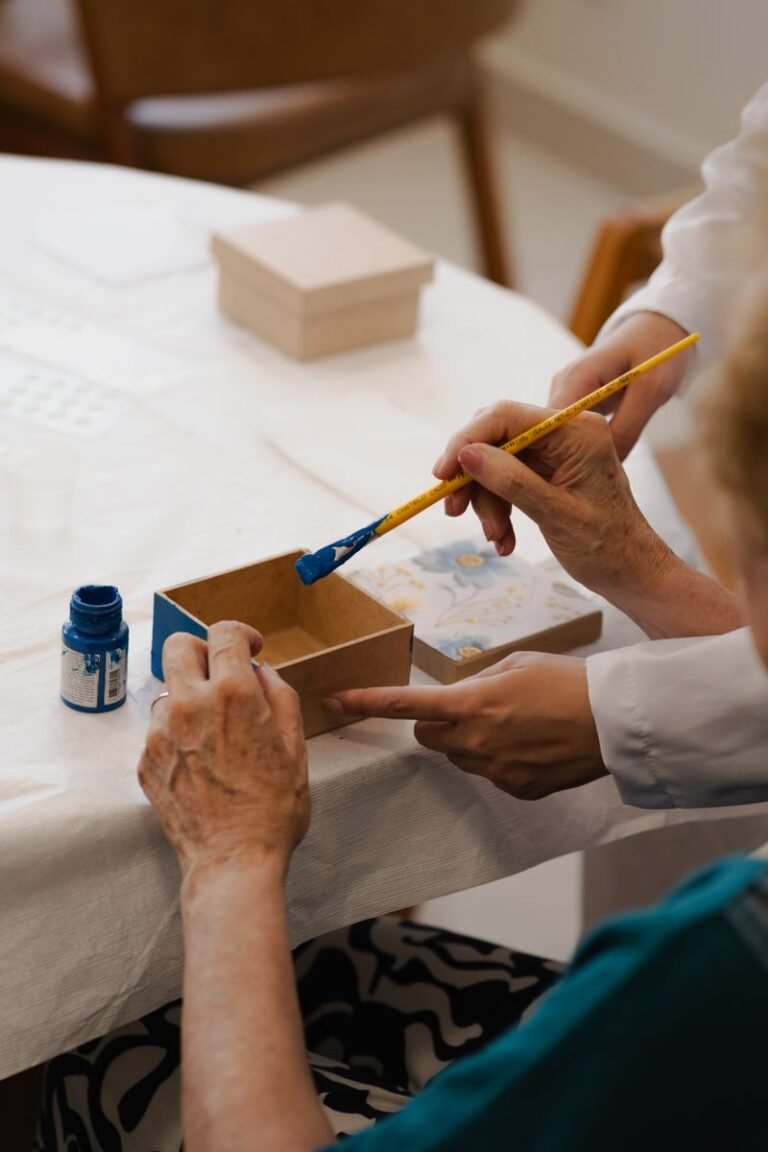
Home decor crafts let you make something useful and personal for your own rooms. Cushion covers, wall hangings, table decorations, painted jars, and simple wreaths all count. Upcycling is part of the fun: an old jar becomes a vase, a spare piece of fabric becomes a table runner, and a plain wooden box becomes a keepsake box with paint and a little decoration.
Start with one room and one small project, rather than trying to redecorate a whole house at once. Our guide to DIY home decor has easy, safe, budget-friendly ideas for seniors, including crafts you can do at a table.
Crafts to make as gifts
Handmade gifts are often the ones people keep. A handmade card, a knitted scarf, a framed photo, a small sewn gift, or a jar of homemade treats all show time and thought. Gifts work best when they are simple and well made, rather than large and rushed.
Plan ahead for birthdays and holidays, and make one gift at a time. A small notebook for gift ideas helps: write down who you are making for, what they like, and what materials you already have. That way, you can use up supplies before buying more.
Crafts for older adults
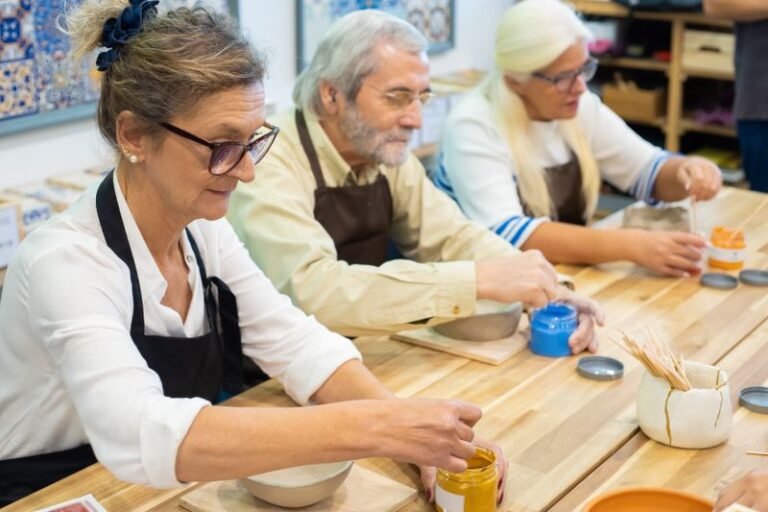
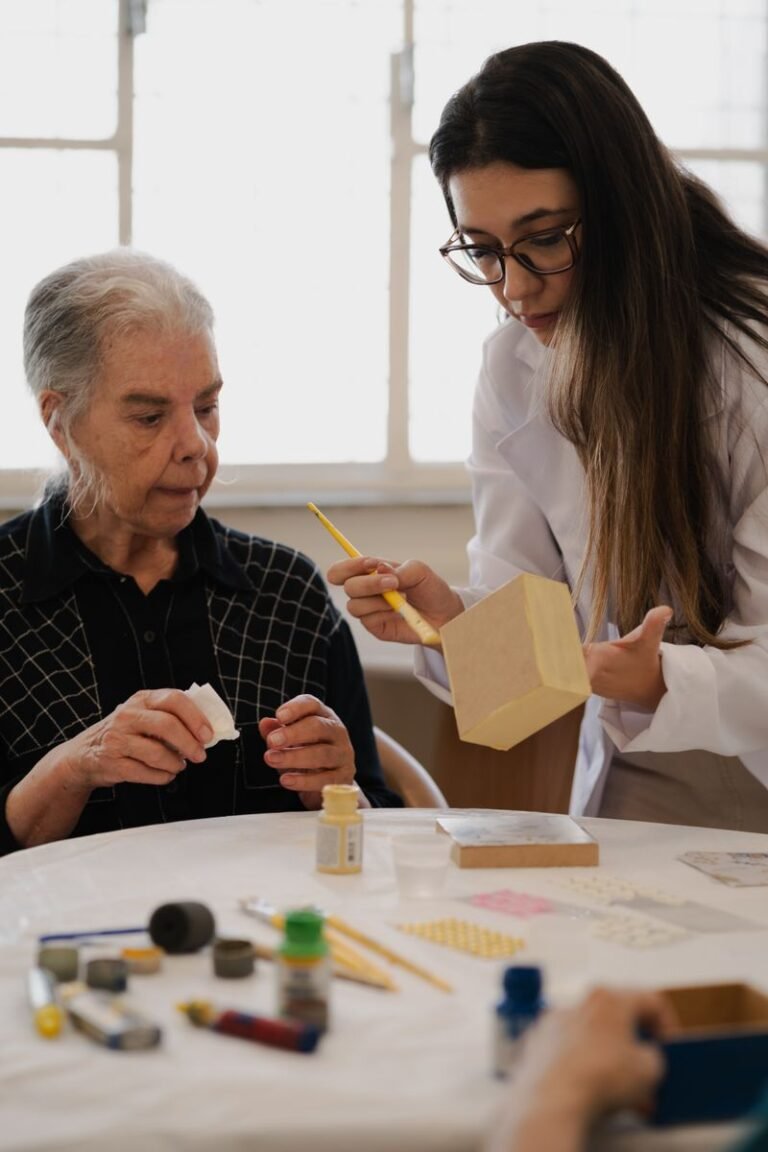
Crafts suit older adults well, because most projects can be done sitting down, at your own pace, with breaks whenever you like. A few small changes make crafting more comfortable: good light, a chair with back support, tools with large, soft handles, and large-print patterns where they are available. Short sessions of half an hour are often more enjoyable than a long stretch without a break.
Our senior-focused guides cover these ideas in more detail. See Craft Ideas for Seniors for a general starting point, Craft Ideas for Senior Citizens for more projects, and Easy Crafts for Seniors in Nursing Homes for simple activities that work well in a care setting or a small group.
Crafts to enjoy with children and grandchildren
Crafting together is a good way to spend time with children and grandchildren. Choose projects that both ages can enjoy: painting stones, making cards, simple sewing, or decorating biscuits. Keep sessions short, expect a little mess, and let the child lead where they can. The finished piece matters less than the time spent making it together.
Keeping craft costs down
Crafting does not need to be expensive. Start with materials you already have at home: paper, fabric offcuts, jars, buttons, and ribbon. Charity shops and car boot sales are good places to find yarn, fabric, and craft books cheaply. Libraries often have craft books you can borrow before you buy your own.
Buy supplies for one project at a time, rather than stocking up in advance. A small basket of basics — scissors, glue, a few paints, needles, and thread — covers most beginner projects. Swap spare materials with friends, and keep leftovers in labelled boxes so you can find them next time.
Where to find more craft ideas
Each guide below goes deeper into one part of crafting, with more projects and practical tips:
- Craft Ideas for Seniors — easy crafts chosen for older adults.
- 75 Easy Art and Craft Ideas for Seniors — a long list of simple projects in five groups.
- Craft Ideas for Senior Citizens — more projects for older makers.
- Craft Activities for Seniors — activities for groups and quiet afternoons.
- Easy Crafts for Seniors in Nursing Homes — simple crafts for care settings.
- DIY Home Decor — easy, budget-friendly home decor crafts.
Frequently asked questions
What are easy craft ideas for beginners?
Good beginner projects are short, cheap, and forgiving: handmade cards, paper flowers, painted stones, simple sewing, and adult colouring. Pick one project, gather only the materials it needs, and finish it before you start another. That first finished piece will tell you what you enjoy and what to try next.
What crafts can seniors do at home?
Most crafts can be done at home at a table, sitting down. Knitting, crochet, card making, watercolour painting, embroidery, and pressed-flower crafts all work well in a small space. Choose projects with large, easy-to-hold tools and good light, and take a break whenever you like.
What is the cheapest craft to start?
Paper crafts and nature crafts are usually the cheapest, because the materials cost little or nothing. Paper, scissors, and glue cover card making and collage, while leaves, flowers, and stones from the garden are free. Drawing needs only a pencil and paper. Start with what you have before buying anything new.
How do I choose a craft idea I will enjoy?
Think about what you already like doing. If you like being outdoors, try nature crafts. If you like quiet, detailed work, try embroidery or drawing. If you like making useful things, try sewing or home decor. Try a small project in two or three different crafts, and keep going with the one that makes you want to sit down and start again.
Start with one small project
The best craft ideas are the ones you actually try. Pick one small project from this page, gather the materials, and set aside an hour. If you enjoy it, try another. If not, try a different material next time. For more hands-on projects to work through, see our guide to craft activities for seniors.