Best Places to See Wildlife
By the Editorial Team
The best places to see wildlife are often closer than you think. For seniors, the best wildlife watching starts in your own garden, where birds, butterflies, and bees visit every day, and continues in local parks, nature reserves, and wetlands nearby. You do not need to travel far or walk for hours. A comfortable chair by a window, a feeder in the garden, and a short walk in a local park are enough to see a surprising amount of wildlife. This guide explains where to look, what you might see, and how to watch wildlife comfortably and safely. For the starting point for this site, see our pillar guide, Gardening for Seniors.
Best places to see wildlife near home
The best places to see wildlife near home are your garden, a local park, a nature reserve, and a wetland or riverbank. Your garden is the easiest place to start, because you can watch from a chair or a window, at any time of day. A local park with trees, water, and flower beds attracts birds, squirrels, and butterflies, and many parks have flat paths and benches. A nature reserve has hides and trails where you can watch birds and other wildlife without disturbing them. Wetlands and riverbanks attract ducks, herons, and dragonflies, and many have flat, accessible paths.
Your garden: the best place to start
Your garden is the best place to start watching wildlife, because you can watch from a chair or a window, at any time of day, without travelling anywhere. Put a bird feeder where you can see it from a window or a chair, and add a bird bath or a shallow dish of water, which birds need for drinking and bathing. Plant flowers that attract bees and butterflies, such as lavender, buddleia, and marigolds, and leave a corner of the garden a little wild, with long grass and a log pile, where insects and frogs can hide. For more on making your garden wildlife-friendly, see our guide to Garden Tips.
Watch at the same time each day, and you will soon learn which birds visit and when. Early morning is the busiest time for birds, while butterflies are most active in warm sunshine. Keep a notebook or a simple list of what you see, and note the date and the weather. Over time, you will build a picture of the wildlife in your garden, and you will notice new visitors as the seasons change. Our guide to Home Gardening Tips has more ideas on growing plants at home.
Garden birds to look for
Garden birds are the easiest wildlife to see, and a few common birds visit most gardens. Robins are friendly, with a red breast and a clear song, and they often come close to people. Blue tits are small and bright, with a blue cap and a yellow breast, and they love feeders with peanuts and seeds. Blackbirds are dark with a yellow beak, and they sing from rooftops in the evening. Wrens are tiny and brown, with a loud song, and goldfinches are colourful, with a red face and yellow wings. Learn to recognise these birds first, and you will soon spot others.
A pair of binoculars helps you see birds clearly without getting close, and a bird book or a bird identification app helps you name what you see. Keep feeders topped up, especially in winter, and clean them regularly, so the birds stay healthy. The Royal Society for the Protection of Birds offers clear, practical advice on garden birds and how to help them.
Butterflies and other garden wildlife
Butterflies and other garden wildlife are a joy to watch in summer. Cabbage white, peacock, and red admiral butterflies visit flowers on warm, sunny days, and bees hum around lavender and buddleia. Ladybirds eat aphids and help your plants, frogs hide in damp corners and eat slugs, and hedgehogs visit at night to eat slugs and snails. A small pond or a shallow dish of water attracts frogs and dragonflies, and a log pile gives insects and small animals a home.
To see more butterflies, plant flowers that give nectar, such as lavender, buddleia, marigolds, and verbena, and avoid using chemicals in the garden. Sit quietly in the sun, and butterflies will come to you. For more on plants that are easy to grow, see our guide to Easy Gardening for Seniors, and for more on why gardening is good for older adults, see our guide to Gardening Benefits.
Local parks and nature reserves
Local parks and nature reserves are good places to see wildlife beyond your garden. Parks with trees, water, and flower beds attract birds, squirrels, and butterflies, and many parks have flat paths and benches, so you can walk slowly and rest often. Nature reserves have hides and trails where you can watch birds and other wildlife without disturbing them, and many reserves have visitor centres with information about what to look for. Check the reserve’s website or ask at the visitor centre for advice on accessible paths and the best times to visit.
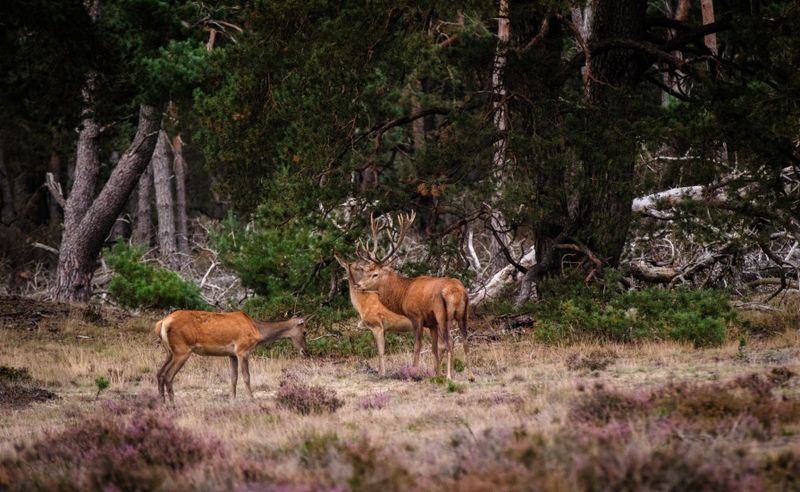
Wetlands and riverbanks attract ducks, herons, and dragonflies, and many have flat, accessible paths and viewing platforms. Woodlands are good for woodpeckers, nuthatches, and deer, especially in the early morning. Go with a friend or a local wildlife group, and take your time. A slow walk with plenty of stops is the best way to see wildlife, and a guide or a group leader can help you spot things you might miss.
What to bring
You do not need much equipment to watch wildlife. A pair of binoculars helps you see birds clearly, a bird book or a bird identification app helps you name what you see, and a notebook and pencil let you record what you find. Bring water, a hat, and sunscreen on sunny days, and a light waterproof jacket if the weather is changeable. Wear sturdy, comfortable shoes with good grip, and bring a small cushion or a folding stool if you plan to sit and watch for a while. A camera or a phone lets you take photos to look at later.
Watching wildlife comfortably and safely
Watching wildlife should be comfortable and safe. Choose flat, accessible paths, and take a friend or a family member with you, especially if you are going somewhere new. Wear a hat and sunscreen, drink water, and rest in the shade on hot days. Wear sturdy, closed-toe shoes with good grip, and keep to the paths. Take breaks often, and stop before you get tired. Do not feed wild animals by hand, and do not approach nests or young animals. Our guide to Safe Gardening Tips has more advice on sun, pacing, and staying safe outdoors.
Be patient and quiet, and the wildlife will come to you. Sit still, listen for birdsong, and watch for movement in the trees and bushes. A slow, quiet walk is far better than a fast, noisy one. If you go to a nature reserve, follow the signs and the advice of the staff, and leave the wildlife as you found it.
Frequently asked questions
What is the best time to see wildlife?
The best time to see wildlife is early morning, when birds are most active and the light is good, and late afternoon, when many animals come out to feed. Butterflies are most active in warm sunshine, in the middle of the day. In spring, birds sing and build nests, and in autumn, many birds gather before winter. The Royal Horticultural Society offers clear, practical advice on wildlife-friendly gardening.
How can I attract wildlife to my garden?
You can attract wildlife to your garden by putting out a bird feeder and a bird bath, planting flowers that give nectar, such as lavender and buddleia, and leaving a corner of the garden a little wild, with long grass and a log pile. A small pond or a shallow dish of water attracts frogs and dragonflies, and avoiding chemicals helps insects and other wildlife. The Royal Society for the Protection of Birds offers clear, practical advice on helping garden wildlife.
What should I bring to watch wildlife?
You do not need much equipment. A pair of binoculars helps you see birds clearly, and a bird book helps you identify them.
Start watching today
The best places to see wildlife are often close to home, in your garden, a local park, or a nearby nature reserve. Put out a feeder, plant a few flowers, and sit quietly with a cup of tea. The birds, butterflies, and bees will come to you, and you will soon find that watching wildlife becomes one of the best parts of your day. For more ideas, visit our Blog.
For more guidance, see the Royal Horticultural Society and the Royal Society for the Protection of Birds.